
Cervical Cancer
& HPV
Louisiana has one of the nation’s highest cervical cancer rates. Because nearly all cases are caused by HPV, cervical cancer is largely preventable through vaccination and routine screening, which helps find cervical changes early before cancer develops.
Our Focus
Louisiana Cancer Prevention & Control Programs (LCP) works to eliminate cervical cancer and reduce HPV-related cancers across Louisiana through prevention, education, and access to care. Our work reaches parents, healthcare providers, schools, and communities, helping more people understand how screening and vaccination save lives.
A key part of LCP’s work is providing no-cost breast and cervical cancer screenings, including Pap tests and HPV tests, to eligible women across the state. For those who are uninsured, can’t afford copays, lack transportation, or face other barriers to care, patient navigators are available to guide them through the process and connect them with needed services.
Cervical Cancer: What To Know
Cervical cancer is highly preventable and typically develops slowly over time. Symptoms often do not appear until later stages, which makes regular screening critical. For this reason, screening remains the most effective way to prevent cervical cancer deaths.
Who May Be Eligible
National health organizations recommend cervical cancer screening based on age and individual risk
- women ages 21–29 should receive a Pap test every three years
- women ages 30–64 may choose a Pap test every three years or a Pap test combined with HPV testing every five years
- women under age 21, women over age 64 who have been adequately screened, and women without a cervix who are not considered high-risk generally do not need screening
Your healthcare provider can help determine the screening plan that’s right for you.
HPV: What To Know
HPV, or human papillomavirus, is extremely common. Nearly all sexually active people will be exposed to HPV at some point in their lives. Most HPV infections clear on their own, but some types can persist and lead to cancer years later.
HPV can cause cervical, vaginal, and vulvar cancers in women, penile cancer in men, anal cancer in both men and women, and cancers of the mouth and throat. Because there is no routine screening test for most HPV-related cancers, vaccination remains one of the most effective tools for prevention.
HPV Vaccination Guidelines
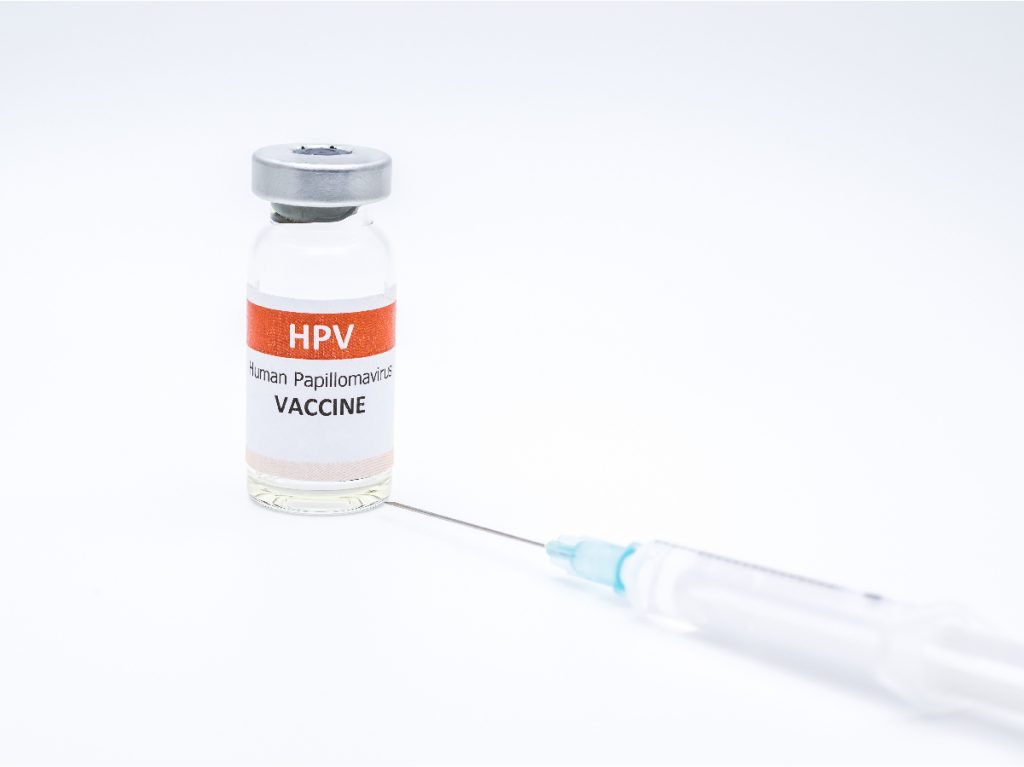
The HPV vaccine is the only vaccine that prevents cancer and works best when given before exposure to HPV.
- It is recommended for girls and boys beginning at ages 11 and 12
- Catch-up vaccination is also advised for many teens and young adults who were not vaccinated earlier
- Vaccination is also available for some adults ages 27 – 45 based on individual risk
A healthcare provider can help determine whether vaccination may be beneficial.
HPV Self-Collection
Self-collected HPV tests are a simple, safe, and effective way to detect high-risk strains of HPV. During self-collection, patients receive a collection kit from their provider, so they can collect a vaginal sample in a private space at the clinic. The sample is then sent to a lab for testing.
Where to Get Vaccinated
Talk to your healthcare provider to find out where you can receiver your HPV vaccine.
Research, Data & Resources
For those seeking deeper information, LCP provides access to trusted reports and data sources. These include:
- Louisiana Comprehensive Cancer Control Plan
- Louisiana Tumor Registry cervical cancer data
- HPV-related cancer research and prevention resources
Whether you are a researcher, healthcare provider, community partner, or member of the general public, these resources offer credible information to help deepen understanding and support prevention efforts.
Community & Statewide Efforts
Across Louisiana, community-based partnerships play a vital role in preventing cancer and other chronic diseases by addressing the conditions that influence health where people live and work. The Louisiana Healthy Communities Coalition supports this work through a statewide network of local coalitions focused on improving community health and preventing chronic disease.